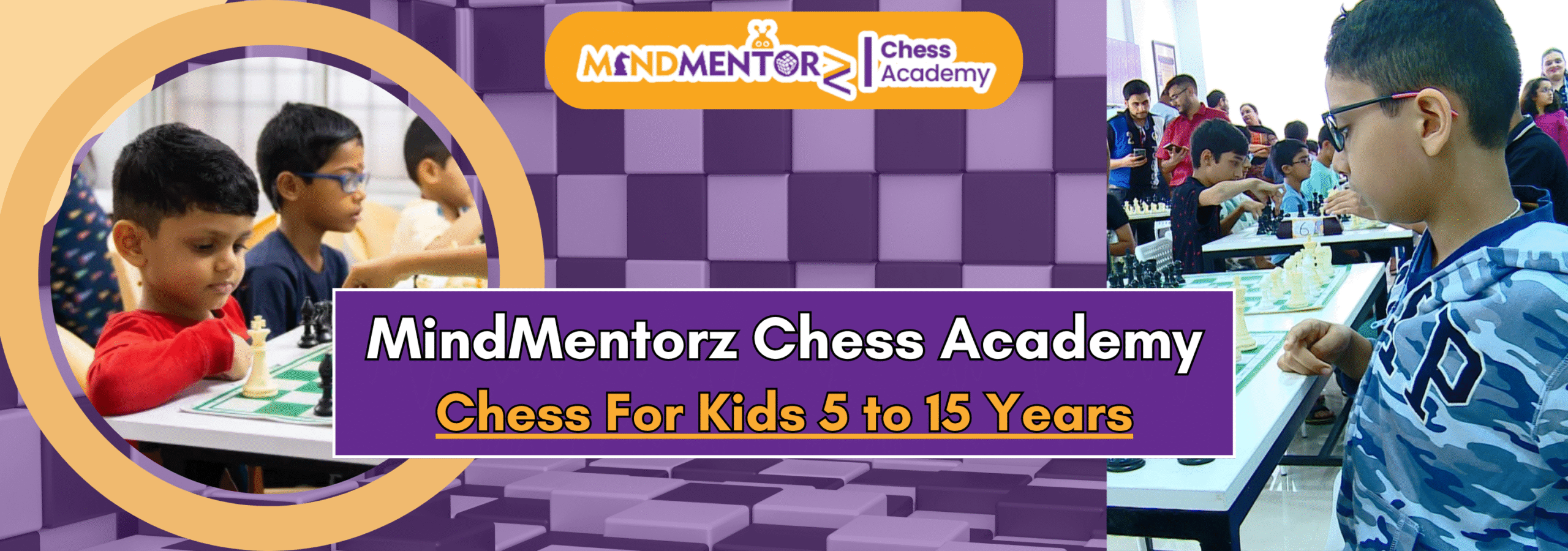
As we move deeper into 2025, parents are more focused than ever on choosing activities for their children that build useful life skills. Chess has steadily gained attention as an ideal way to improve children’s critical thinking, concentration, and social skills. For kids between the ages of 5 and 15, chess offers not just an enjoyable pastime but an effective exercise for the mind.
At MindMentorz Chess Academy, we have seen remarkable progress in children who engage regularly in chess learning, impacting their academic performance and personal growth. This blog will explore why chess continues to be the preferred choice for parents and educators, backed by research and current trends, while offering practical guidance on how to introduce chess to your child’s routine.
The Rapid Growth of Children’s Chess in 2025
Interest in chess for kids is higher than ever, thanks to multiple factors reshaping how children learn and play:
- The rise of online chess platforms makes learning accessible anywhere and anytime
- Integration of chess programs in schools highlights its educational value
- Popular media and celebrity endorsements bring visibility to chess as a meaningful skill
- Increasing awareness of activities that promote logical thinking and discipline
Popular search terms related to this topic include chess classes for kids 2025, benefits of chess for children, best chess tutors for kids, and how to learn chess online for kids.
MindMentorz Chess Academy keeps pace with these trends by offering tailored classes that combine engaging teaching methods with a disciplined approach, helping children discover chess in ways that suit their unique learning styles.
How Chess Helps Develop Critical Thinking Skills
One of the main reasons chess is highly recommended for children is its direct impact on improving critical thinking skills. Here’s how chess plays a key role:
- Strategic planning: Children learn to look several moves ahead, considering the outcomes of various choices
- Problem-solving: Chess requires analyzing positions, spotting patterns, and finding solutions to complex challenges
- Logical reasoning: Kids practice evaluating options based on facts rather than guesswork
- Improved focus: The need to concentrate for extended periods cultivates attention span and mental endurance
All these skills translate directly into academic benefits, especially in subjects like math, science, and reading comprehension, where logical analysis is essential.
Emotional and Social Benefits of Learning Chess
Chess isn’t just about thinking—it also helps children grow emotionally and socially:
- Patience and discipline: Regular practice and competition teach kids to be patient with themselves and others
- Handling wins and losses: Chess offers a controlled environment for learning sportsmanship and emotional control
- Boosts confidence: Progressing through levels and mastering challenging concepts gives kids a sense of accomplishment
- Team spirit: Group classes and tournaments promote friendships and cooperative skills
Many parents report that children who learn chess often improve their behavior and social engagement, evidence that chess supports holistic development.
Tips for Parents: Introducing Your Child to Chess
Supporting your child’s interest in chess can be simple and rewarding. Here are a few effective tips:
- Start with beginner-friendly lessons: Look for chess programs that focus on basics for kids aged 5 to 15 with engaging instructional styles
- Establish a practice routine: Short, frequent practice sessions keep children motivated without overwhelming them
- Participate in local or online tournaments: Experience with real games boosts understanding and excitement
- Monitor progress with encouragement: Celebrate learning milestones rather than just wins to maintain enthusiasm
- Use technology wisely: Leverage online chess tools and apps designed for children to make practice fun and interactive
MindMentorz Chess Academy offers both online and offline programs designed specifically with children in mind, ensuring learning remains enjoyable and effective.
What Makes MindMentorz Chess Academy Different?
Choosing the right chess academy impacts your child’s learning journey significantly. MindMentorz stands out because of our focus on quality teaching combined with a child-friendly approach:
- Certified coaches with experience in children’s education
- Customized lesson plans that adapt to each child’s pace and interests
- Integration of technology and traditional teaching for broad engagement
- Competitive events and fun activities aligned with skill level
- Continuous feedback loop involving parents and students
Our aim is to provide a strong foundation in chess that enhances skills useful in school and daily life.
Emerging Trends in Kids Chess Education for 2025
The world of chess education is evolving with fresh approaches and tools:
- AI-based personalized training: Adapts lessons based on each child’s strengths and weaknesses
- Interactive learning platforms: Combining audio, video, and gamification to keep kids interested
- Augmented reality (AR) chess sets: Making learning visually immersive and stimulating
- Global online tournaments: Connecting kids worldwide for healthy competition and cultural exchange
Engaging with these innovations can help children gain diverse experiences that traditional coaching alone may not provide.
Join the Chess Movement for Kids Today
If you want your child to develop critical thinking, concentration, and social skills in a fun and structured way, chess offers an excellent option. At MindMentorz Chess Academy, children find a community where learning chess is exciting, accessible, and tailored to their age and ability.
Visit mindmentorz or contact us to learn more about available classes and how we can help your child begin their chess journey confidently.
Conclusion
Chess remains one of the best activities for children aged 5 to 15 to train their mind while also building important life skills. In 2025, with a mix of traditional techniques and modern digital tools, chess education continues to grow in relevance. This game of strategy and logic shapes young minds not just intellectually but emotionally and socially as well.
Considering its proven benefits and evolving teaching methods, chess continues to hold its place among top developmental activities for children around the world.