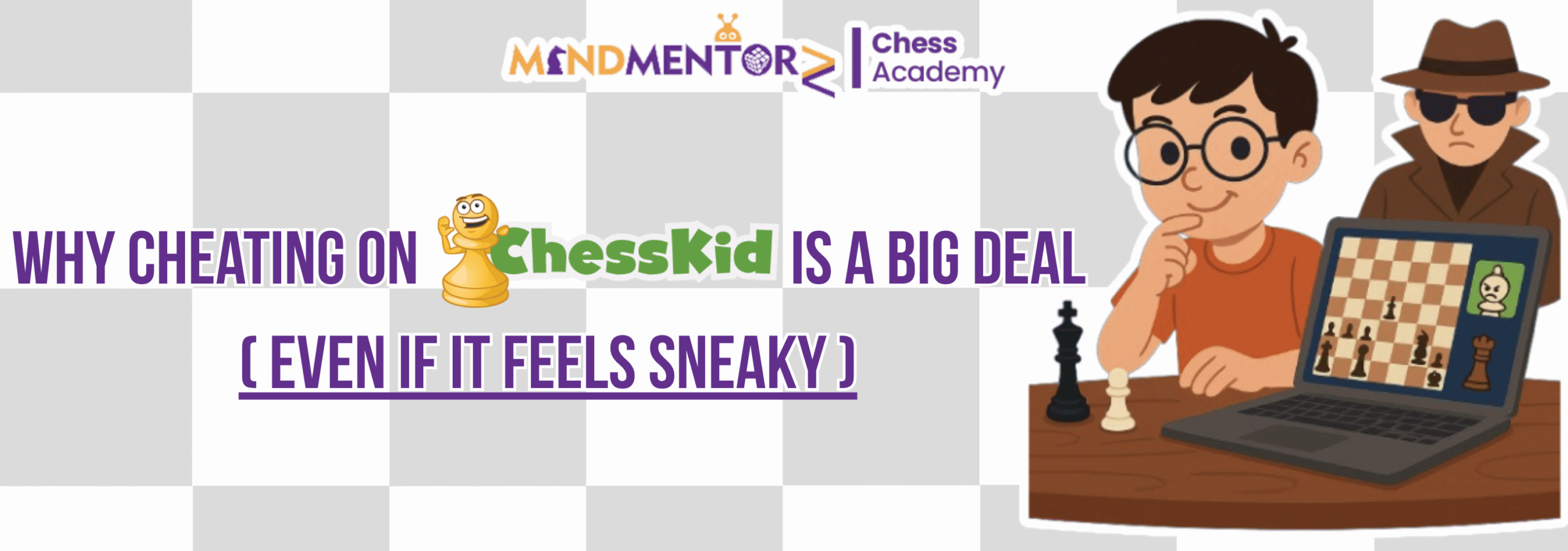
We know your child really wants to see their rating climb, but let’s get this straight upfront: if you’re tempted to “borrow” help from a friend, engine, phone app, or lucky cat meme, ChessKid will smack your account with a Fair Play violation faster than you can say “checkmate.”
Fair Play Means Actually Playing Fair
- ChessKid’s Fair Play system is designed to catch cheating in an unfair way. Their algorithms and investigation team look for suspicious patterns (like superhuman moves, engine‑like behavior, or sudden rating spikes).
- If you’re flagged, your account gets closed. Yep, zero second chances. That means all progress disappears, and your name gets permanently tagged for future reference. chesskid.com
It’s Not Just About Getting Caught, It’s About Values
Cheating undermines your integrity, the trust of your coaches, and the spirit of fair competition.
It also damages the community experience for everyone; others play fewer games against you, and parents/trainers see you as unreliable.
What Actually Triggers a Fair Play Investigation?
- Jaw‑dropping accuracy over many games.
- Nearly perfect engine‑level moves repeatedly.
- Sudden unexplained rating surges (like jumping from 600 to 2400 overnight)
- Borrowing moves from parents, friends, books, engines, or anyone or anything. All of this screams “help needed,” but not the kind you should be proud of.
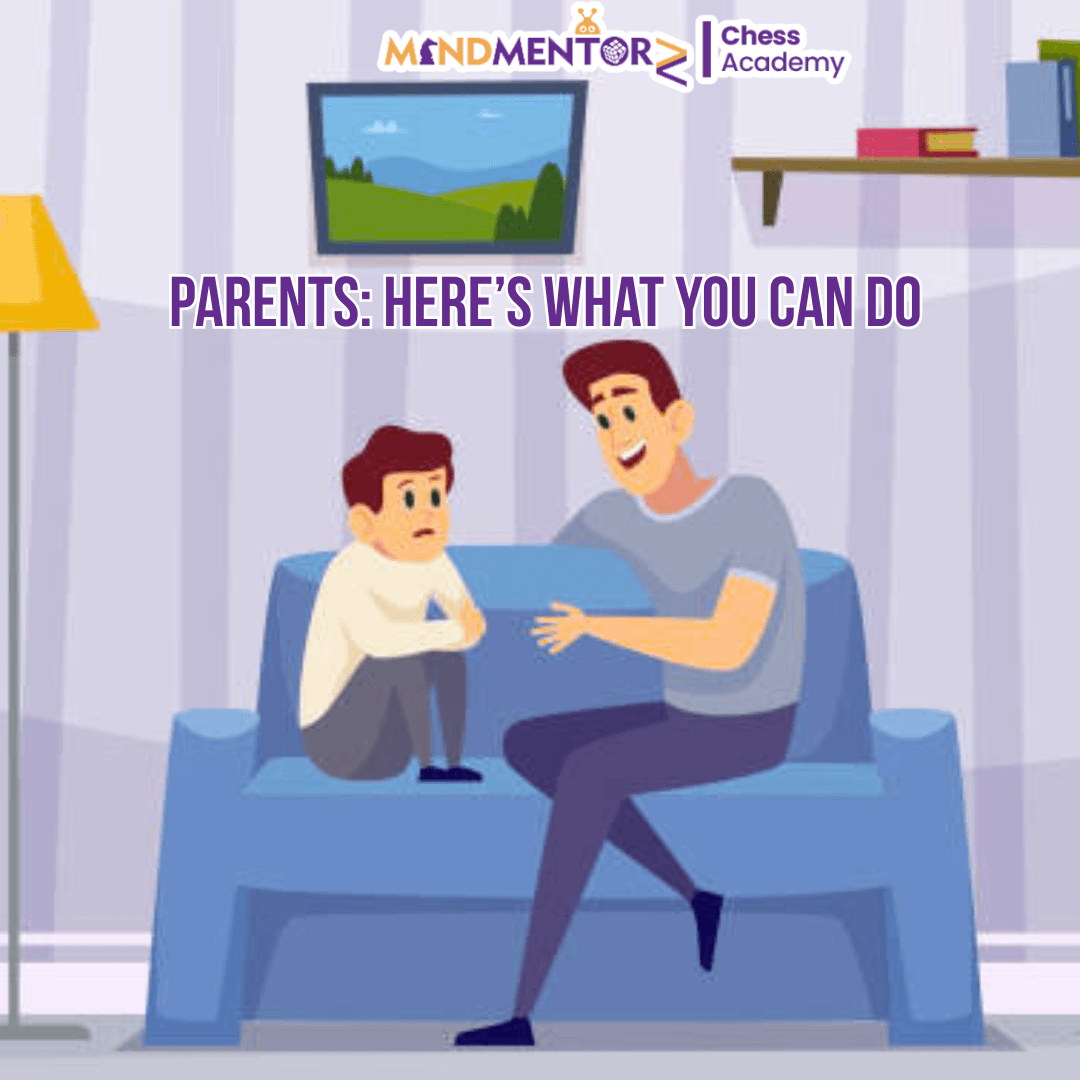
Parents: Here’s What You Can Do
- Talk to your child about why cheating isn’t just “bending the rules.”
- Make it crystal clear that MindMentorz expects all students to follow ChessKid’s Fair Play policies and that violations = game over.
- Encourage honesty: mistakes can be fixed; closed accounts can’t.
Players: Own Your Game, Own Your Mistakes
- If you lose, ask why. Was it a weak opening? Time trouble? Lack of focus? Great, you’ve just earned a teaching moment!
- Don’t fall into the trap of thinking “everyone cheats a little.” They don’t, and if they do, they’re likely long gone from the platform.
- Aim to get better, not just to get higher. Growth is a lot more rewarding than a fake rating spike.
Okay, But What Actually Happens if You Cheat?
Detected
Through algorithms or a coach/parent report.
Investigated
ChessKid reviews game history and behavior.
Account closed
Labeled for fair play violation and permanently shut down.
Reputation loss
There’s no secret “second life” on ChessKid, or pardon for screw‑ups.
(But Don’t Cheat, Seriously)
🤔 Topic | What You Need to Know |
Cheating = 🚫 | ChessKid will close your account immediately |
Detection | Algorithmic and manual review; they know what they’re doing |
Values > Ratings | Honesty, integrity, and growth matter more than fake wins |
What We Expect at MindMentorz | Fair play—even if you lose, we want you doing your own thinking |
Final Word (With a Touch of Sarcasm)
If you think cheating is a clever shortcut to success, you’re basically saying, “I’d rather trick a machine than learn, grow, or honestly beat another player.”
Newsflash: that’s not clever—it’s lazy. Real success is earned in the classroom, with patience and mistakes.
So here’s the deal:
- Play your own moves.
- Accept losses as lessons.
- Grow your rating by being human, not by gaming the system.
Let’s keep ChessKid fun, fair, and full of actual chess, because cheating doesn’t just cost your account. It costs you respect. And hey, building respect is part of becoming a real chess player.
Comments
One response to “MindMentorz: Why Cheating on ChessKid is a Big Deal (Even if It Feels Sneaky)”
I think you have remarked some very interesting points, thanks for the post.